Useful for museum-focused families and relatively direct access to Hyde Park and central London. A strong first-trip base when science, natural history and easy indoor fallbacks matter.
London with a family
Spend less time crossing London.
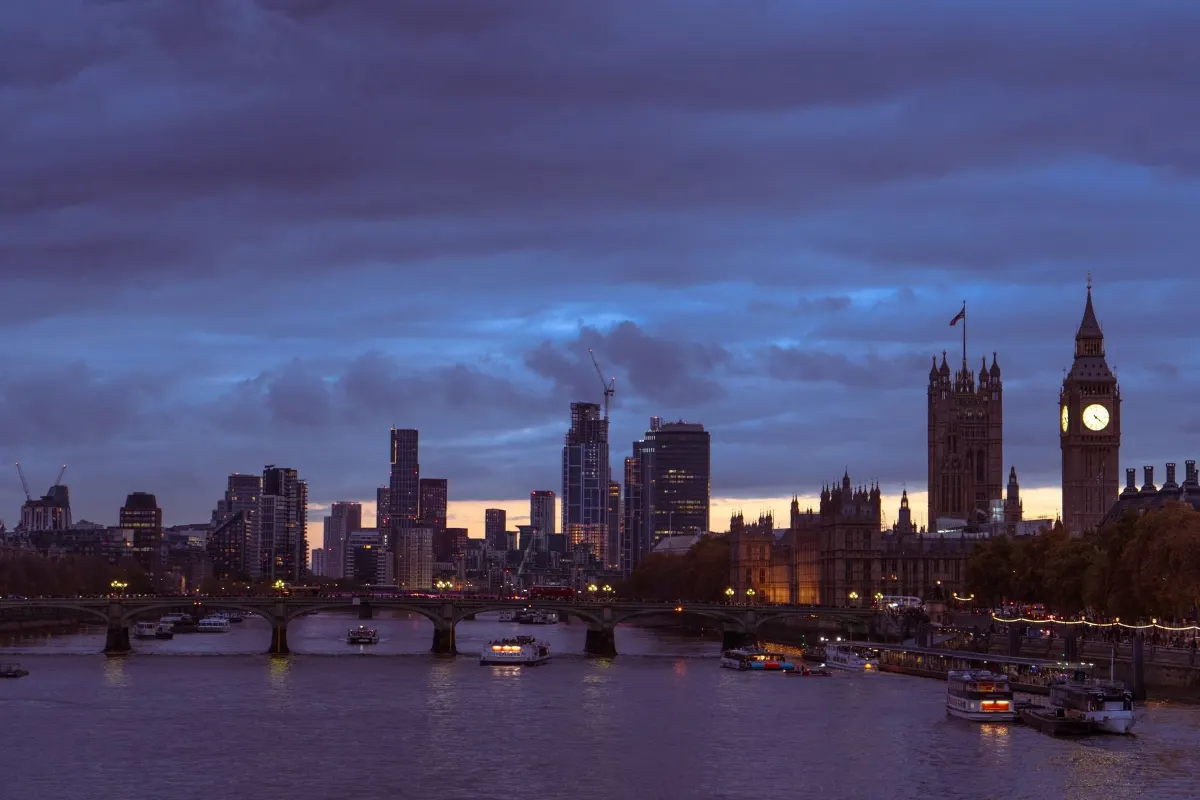
London rewards families who think in neighbourhood clusters rather than landmark lists. A museum-heavy morning in South Kensington, a river day on the South Bank or a park-and-palace day can all work beautifully; stitching all three together usually turns transport into the main event.
London at a glance
- Where to stay
- South Kensington / Earl’s Court, South Bank / Waterloo and Bloomsbury / King’s Cross edge. Compare the areas
- How long
- Plan one area a day. There are 6 to choose from. See the areas
- Best ages
- Little ones: Westminster + St James’s Park. Older kids: Tower + City + river. Tips by age
- Rainy day
- South Kensington.
Choose the base for the clusters you will repeat.
Good for river walks, major family attractions, theatre access and rail connections. It can reduce the need to cross the river repeatedly.
Strong for museums, rail access and families planning day trips. Exact station and walking routes matter more than the neighbourhood name.
Useful for classic first-visit sights and transport links, but compare room size and nightly cost against a slightly less central base with simpler family space.
Build one area into a complete day.
South Kensington
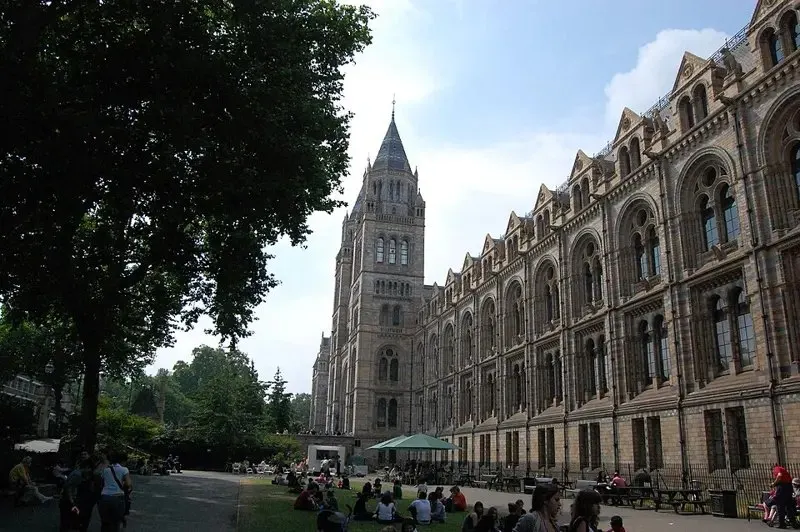
Use one major museum as the fixed highlight and keep a second museum optional. Hyde Park or a café/hotel reset can protect attention better than museum-hopping.
- Strong rainy-day cluster.
- Excellent for mixed interests when children can choose between nearby institutions.
- Avoid stacking three major museums simply because they are close.
South Bank
River walking, performance, views and family attractions can all sit inside one corridor. Use the river as connective experience rather than dead transit.
Westminster + St James’s Park
Pair classic landmarks with real park time. This works better than pushing straight from Westminster into another distant attraction.
Tower + City + river
Make the Tower/history block the highlight, then use the river or nearby City sights as lower-pressure companions.
Greenwich
Greenwich works best as its own half or full day rather than a quick add-on. River travel can become part of the experience if timing and weather cooperate.
Regent’s Park + zoo / Camden edge
Use the park as recovery infrastructure and let the zoo or nearby neighbourhood experience be the major highlight.
London changes with attention span and station friction.
0–5
One major indoor highlight plus a park, playground or river reset is usually enough. Step-free station planning matters when a stroller is essential.
6–11
Science, natural history, transport, castles and theatre provide strong variety. Let children pick one nearby companion stop rather than filling every hour.
12+
Give teens ownership of one theatre, market, football, music, fashion or neighbourhood block. London rewards specific interests more than generic sightseeing density.
Multigenerational
Prioritise step-free routes, seated breaks and short transfers. A slightly more expensive base can be worthwhile if it repeatedly removes stairs and interchanges.
Make transport serve the day.
One museum or landmark → park/play reset → easy meal → optional nearby evening.
One strong story/interactive highlight → child-choice companion → river/park/market reset.
Keep the afternoon geographically light so the show remains the main event.
Stay within one museum-rich area instead of crossing the city to chase indoor alternatives.
Verify the volatile details.
Check these close to your trip:
- Exact step-free status and service changes for the Underground/rail stations you will use.
- Current museum reservations, timed entry and special exhibitions.
- Theatre schedules, age policies and performance availability.
- River-service schedules and weather-sensitive operations.
- Current attraction hours, closures and dated events.
Make it your trip
Build London around the people travelling.
Add ages, interests, mobility, theatre or football priorities, pace and hotel preferences. World Beyond Home can then keep each day tight and spend family energy on London rather than interchanges.