Excellent for walking to piazzas and landmarks, but crowding, cobbles and older buildings can complicate strollers, wheelchairs and hotel access. Confirm lift/elevator and entrance details at the exact property.
Rome with a family
Give ancient Rome room to breathe.
Rome is a city where one monumental sight can already involve heat, security, uneven surfaces, stairs and substantial walking. The best family plan makes one historic highlight feel exciting, then deliberately changes pace with a piazza, park, gelato stop or hotel reset.
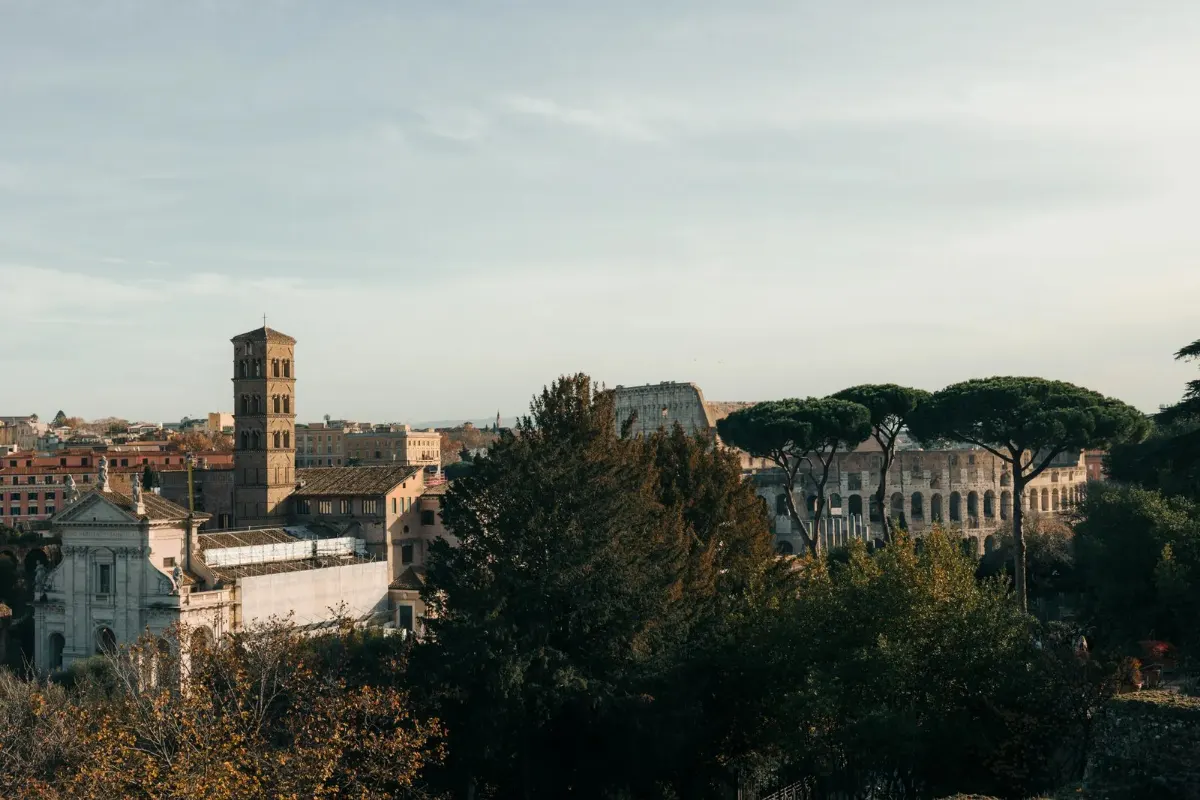
Rome at a glance
- Where to stay
- Centro Storico edge, Prati and Monti. Compare the areas
- How long
- Plan one area a day. There are 6 to choose from. See the areas
- Best ages
- Little ones: Villa Borghese + Bioparco and Explora + Piazza del Popolo. Older kids: Vatican + Prati and Trastevere + Gianicolo decision. Tips by age
- Rainy day
- Explora + Piazza del Popolo.
Judge the actual street, not just the district name.
Useful for Vatican-focused trips and families wanting a somewhat more ordered street grid and neighbourhood routine. The trade-off is more travel to Colosseum-side days.
Strong access to the Colosseum/Forum side with restaurants and neighbourhood character. Slopes and uneven paving still matter.
Interesting for families prioritising park access, Bioparco and a lower-pressure reset environment while remaining connected to central Rome.
One piece of ancient Rome at a time.
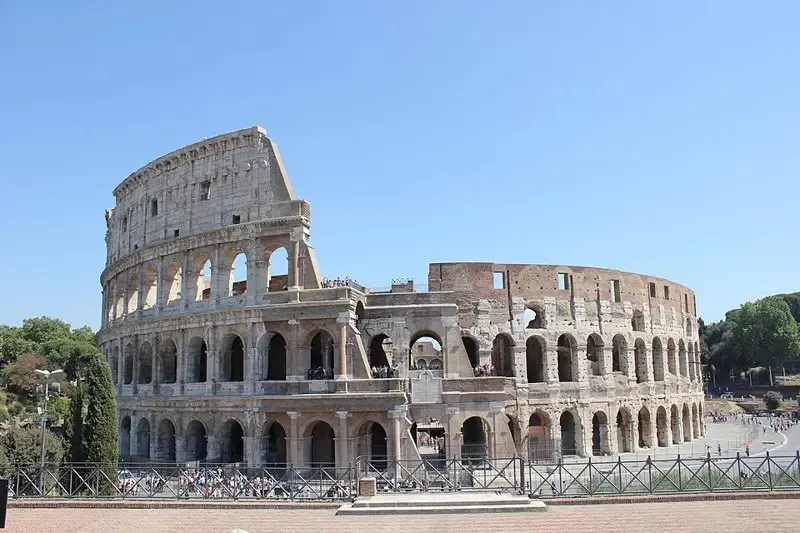
Colosseum + Forum + Monti
Choose which ancient component matters most. Colosseum plus a deep Forum visit can already be a major family day in warm weather.
- Book only the timed elements you can realistically reach.
- Use Monti for the meal/reset rather than adding another distant monument.
- Protect water, shade and an exit option.
Pantheon + Piazza Navona + Trevi area
A good visual-history cluster for families who do better with several short outdoor moments than one long museum. Crowd load can be high, so leave room to sit and snack.
Vatican + Prati
The Vatican Museums can be cognitively and physically demanding. Treat them as the major highlight and keep the rest of the day local and lighter.
- Do not assume St Peter’s and the Museums are one quick combined stop.
- Plan security and queue time.
- Use Prati for an uncomplicated meal or hotel reset.
Villa Borghese + Bioparco
Rome’s official tourism guidance highlights Bioparco within Villa Borghese. This cluster is valuable because animals, open space and lower-structure recovery can sit together.
Explora + Piazza del Popolo
Explora is Rome’s children’s museum and can be a useful indoor highlight for younger families, especially when the children need something hands-on rather than another historic monument.
Trastevere + Gianicolo decision
Keep Trastevere as a wandering/meal block. Adding the Gianicolo climb changes the physical load, so make the viewpoint a conscious choice rather than an accidental extension.
Turn history into a story, not a marathon.
0–5
One short historic encounter plus park, playground, children’s museum or hotel reset is plenty. Cobblestones and stairs make a lightweight stroller or carrier strategy worth considering, depending on the child.
6–11
Give ancient sites a narrative: gladiators, emperors, fountains, hidden animals and engineering. Pair one history highlight with gelato, open space or a child-led scavenger-style walk.
12+
Teens may engage more through food, underground/archaeology themes, photography, football, design or evening neighbourhood ownership than through another formal tour.
Multigenerational
Use taxis or surface transport selectively to conserve walking for the sites that matter. Accessibility has to be checked attraction by attraction because ancient terrain and historic buildings vary.
Rome rewards shorter lists.
Short historic highlight → early lunch → park/children’s museum/hotel reset → nearby piazza or dinner.
One timed archaeological highlight → shaded seated meal → optional nearby ruins/view only if energy remains.
Major outdoor site early → long indoor/shaded midday → piazza/park in late afternoon. Carrying a full midday sightseeing schedule is often the wrong trade.
Choose one strong indoor museum/children’s experience and preserve the surrounding neighbourhood rather than crossing Rome repeatedly.
Ancient terrain is part of the logistics.
A route that looks short can be materially harder on uneven paving. Inspect the actual approach to the hotel and major sights.
Rome’s official tourism site maintains dedicated accessibility information for monuments and museums. Use the exact attraction record rather than assuming a whole district is accessible.
For families staying or sightseeing nearby, the park can break the cycle of churches, ruins and crowds with genuine unstructured space.
Do not treat every taxi/bus/Metro ride as a planning failure. Conserving walking for the Colosseum, Forum, Vatican or neighbourhood you care about can improve the whole day.
Verify the changeable details.
Check these close to your trip:
- Colosseum, Vatican and other timed-entry ticket rules and exact entrances.
- Current transit service, station lift/escalator status and route accessibility.
- Accessibility at the exact museum, archaeological site or hotel.
- Heat advisories, fountain/water access and seasonal opening conditions.
- Dated events, closures, restoration work and major religious/public occasions.
Durable planning guidance is separated from current tickets, openings, restoration work, transit disruptions and weather.
Make it your trip
Build Rome at your family’s speed.
Tell World Beyond Home the ages, walking tolerance, history interest, food priorities, mobility needs, dates and hotel preferences. The right Rome plan will deliberately leave famous things out so the things you keep can actually be enjoyed.