Excellent connectivity and strong food/retail backup, but the station complex and crowds can add friction. Best when the family benefits enough from the network to justify that stimulation.
Tokyo with a family
Choose the rail zone before the attraction list.
Tokyo is extraordinarily capable for family travel, but distances, station scale and sensory load can punish over-ambitious days. The best itineraries are geographically tight, protect recovery after long-haul arrival and avoid unnecessary rush-hour transfers.
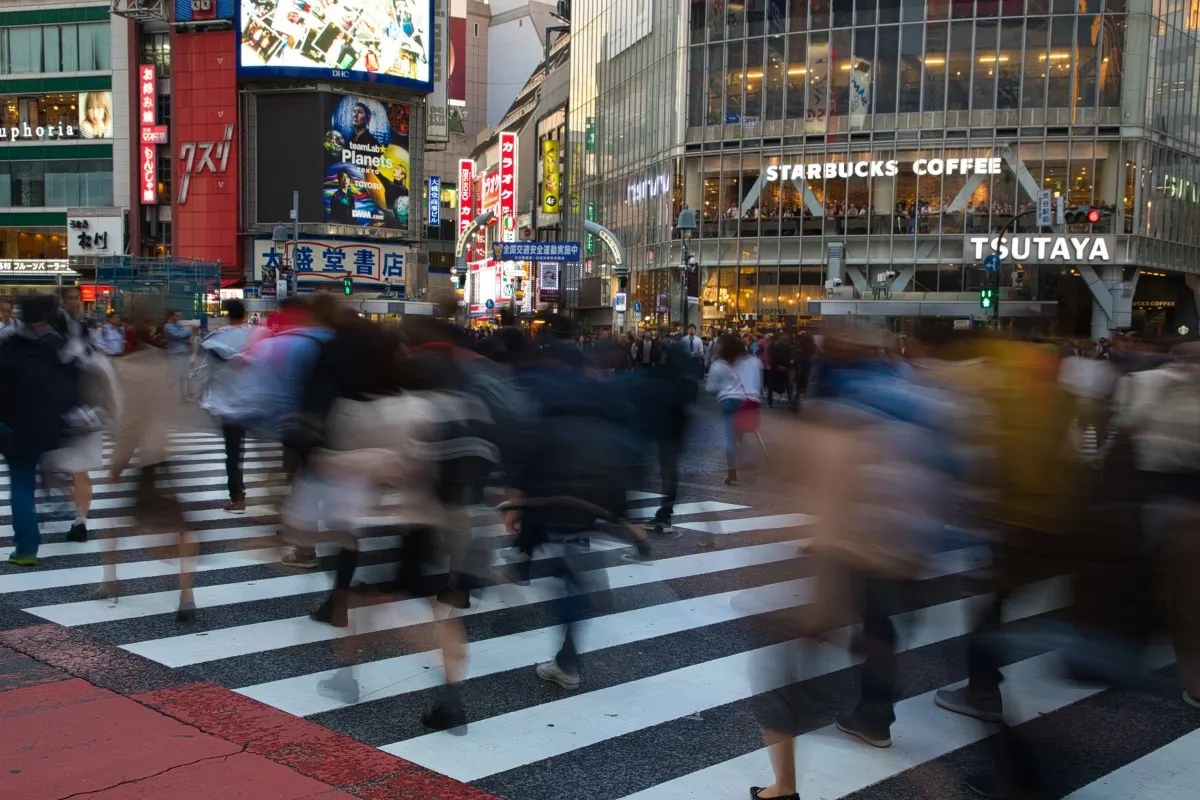
Tokyo at a glance
- Where to stay
- Shinjuku edge, Tokyo Station / Marunouchi and Ueno / Asakusa. Compare the areas
- How long
- Plan one area a day. There are 6 to choose from. See the areas
- Best ages
- Older kids: Shibuya + Harajuku. Tips by age
- Rainy day
- Odaiba / Tokyo Bay.
Pick for transfers, not prestige.
Useful for rail access, day trips and a calmer business-district rhythm outside peak periods. Strong when intercity travel is part of the trip.
Good for museums, zoo, traditional-city atmosphere and family-friendly park access. Often a strong fit for first-time families who want several nearby highlights.
Strong for teens, food and contemporary Tokyo. Crowds and stimulation can be high, so exact hotel position and station exits matter.
Stay inside one or two rail zones per day.
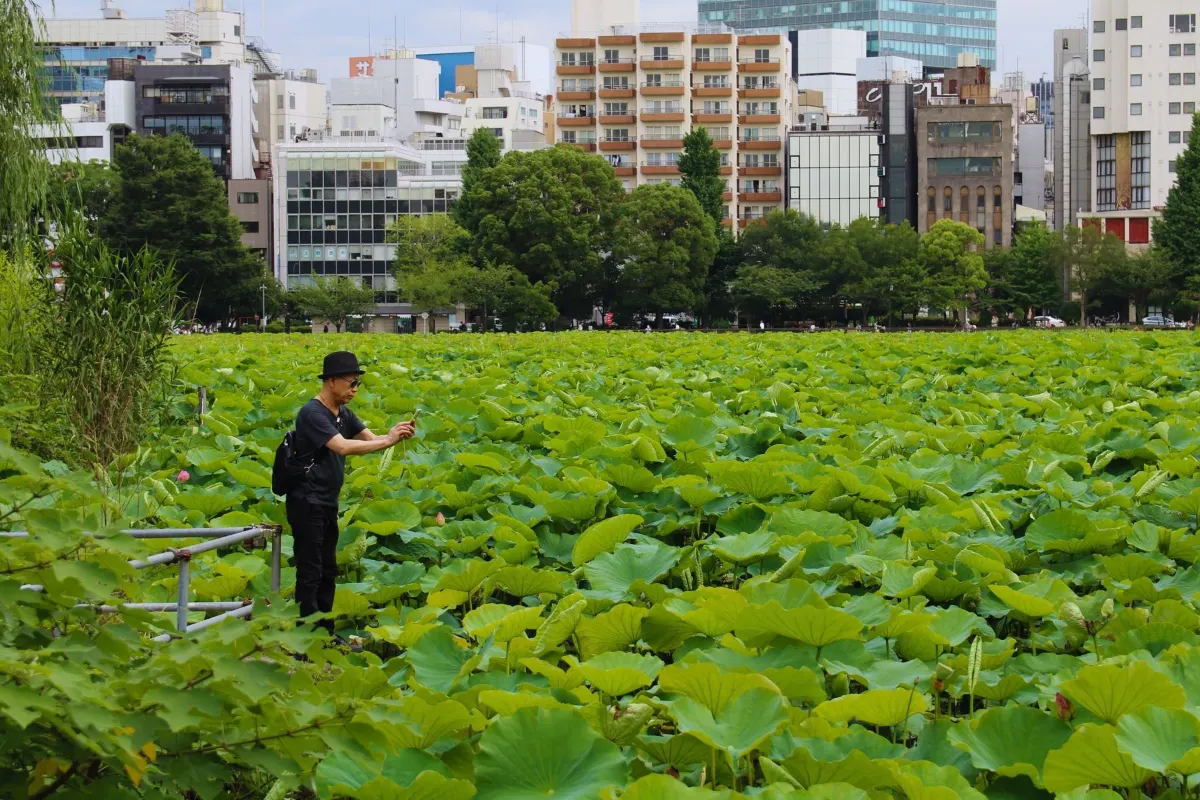
Ueno Park
A powerful family cluster because science, culture, animals and outdoor recovery sit close together. Choose one major indoor highlight and keep the others optional.
Asakusa + Sumida
Pair temple/history atmosphere with river or open-space time. Avoid turning the day into a long transfer to western Tokyo afterward.
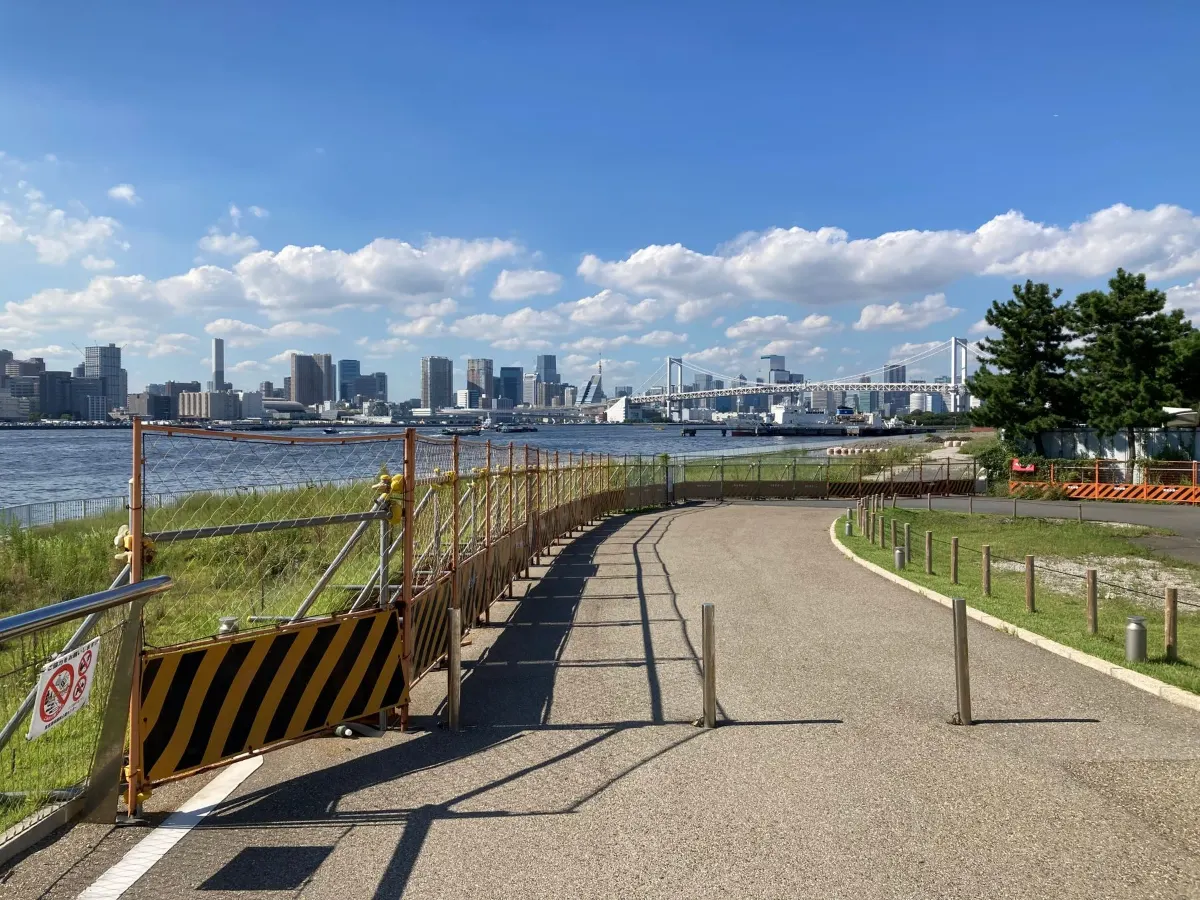
Odaiba / Tokyo Bay
Useful for immersive, science and commercial indoor fallbacks. It can absorb a wet-weather day without excessive route churn.
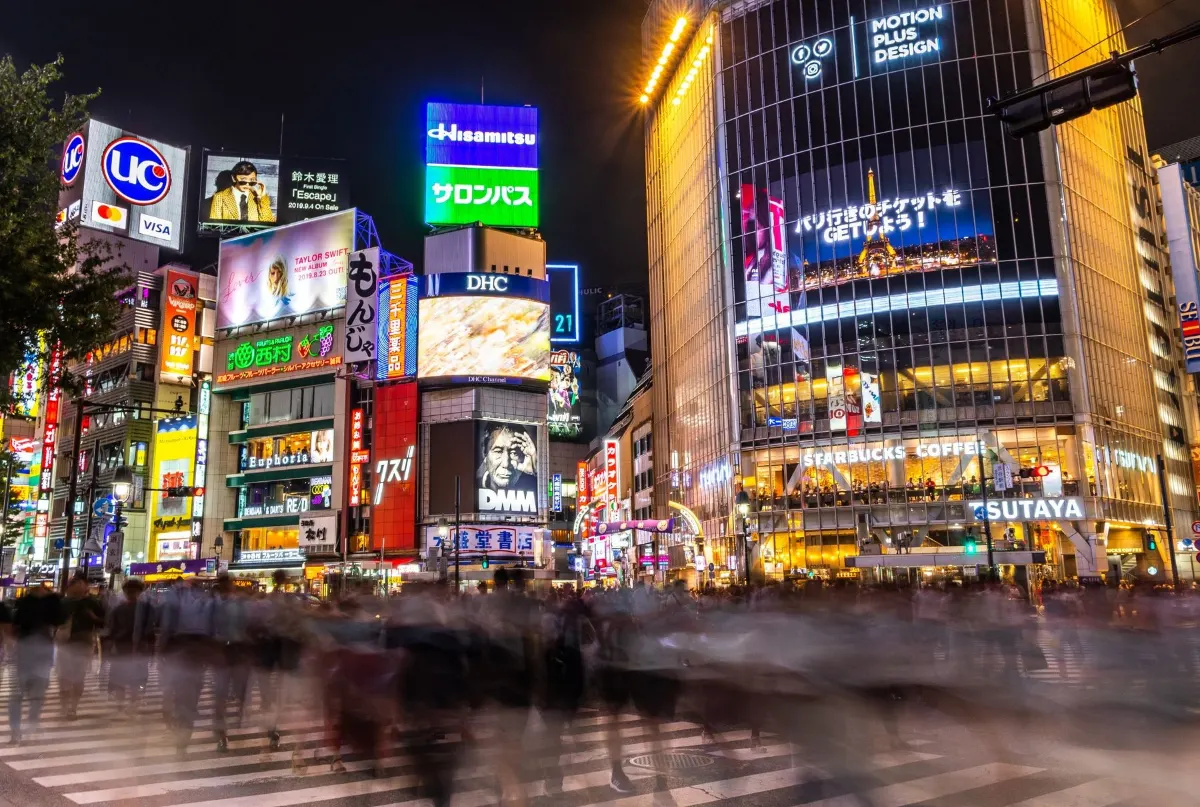
Shibuya + Harajuku
High-energy and high-stimulation. Best with older children or teens when they have specific interests rather than as a generic box-ticking day.
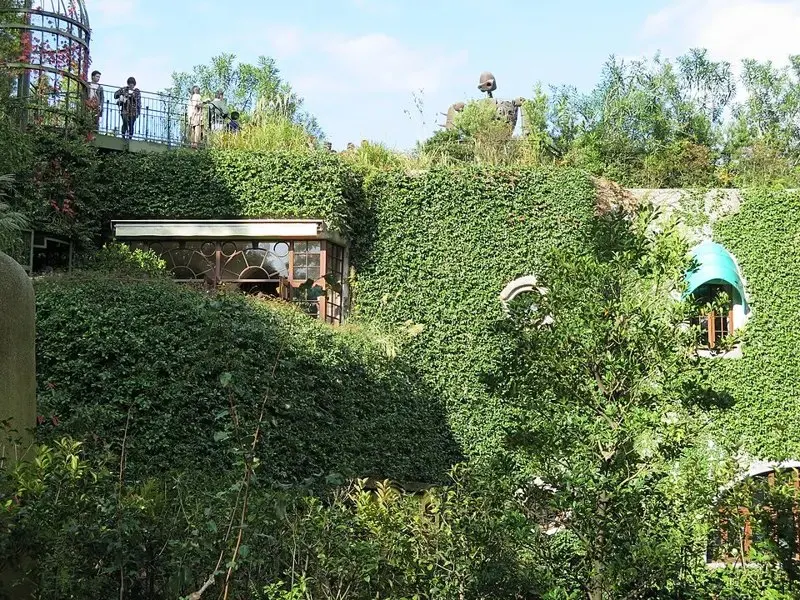
Ghibli / western Tokyo decision
Outlying high-demand experiences deserve their own route and reservation strategy rather than being squeezed into a central-city day.
Tokyo Disney Resort
Treat each major park day as its own high-load highlight. Height, thrill tolerance, sensory comfort and hotel-return friction matter more than generic popularity.
Tokyo’s advantage is range—if you edit hard.
0–5
Protect nap and feeding rhythms, choose one major highlight, and plan station routes in advance. Avoid peak commuter windows when possible.
6–11
Science, trains, character interests, animals and interactive museums are strong. Give children a choice between two nearby companions rather than another cross-city transfer.
12+
Teens can own fashion, gaming, anime, food or neighbourhood exploration. Their chosen district often works better as the day’s highlight than a generic sightseeing list.
Multigenerational
Use stations with easier vertical access, avoid long transfer chains and protect seated indoor recovery.
Leave energy for the city itself.
One easy neighbourhood walk + early meal + sleep recovery. Do not spend jet-lagged hours on major timed attractions.
One highlight → lunch → indoor/park reset → optional short evening near the hotel.
Teen-owned district → food stop → one nearby immersive or cultural companion → flexible evening.
Use aquariums, museums and indoor complexes within one area rather than improvising a city-wide rescue mission.
Verify the volatile details.
Check these close to your trip:
- Exact station accessibility, elevator routes and any rail service disruption.
- Reservation rules and timed-entry availability for high-demand attractions.
- Theme-park ride restrictions, closures and operating schedules.
- Weather and heat conditions that change walking tolerance.
- Current opening hours and dated exhibitions/events.
Make it your trip
Build Tokyo around your family’s interests and stamina.
Add ages, favourite characters, food interests, sensory comfort, mobility needs and hotel priorities. World Beyond Home can then choose the right rail zones and avoid wasting family energy on unnecessary transfers.